
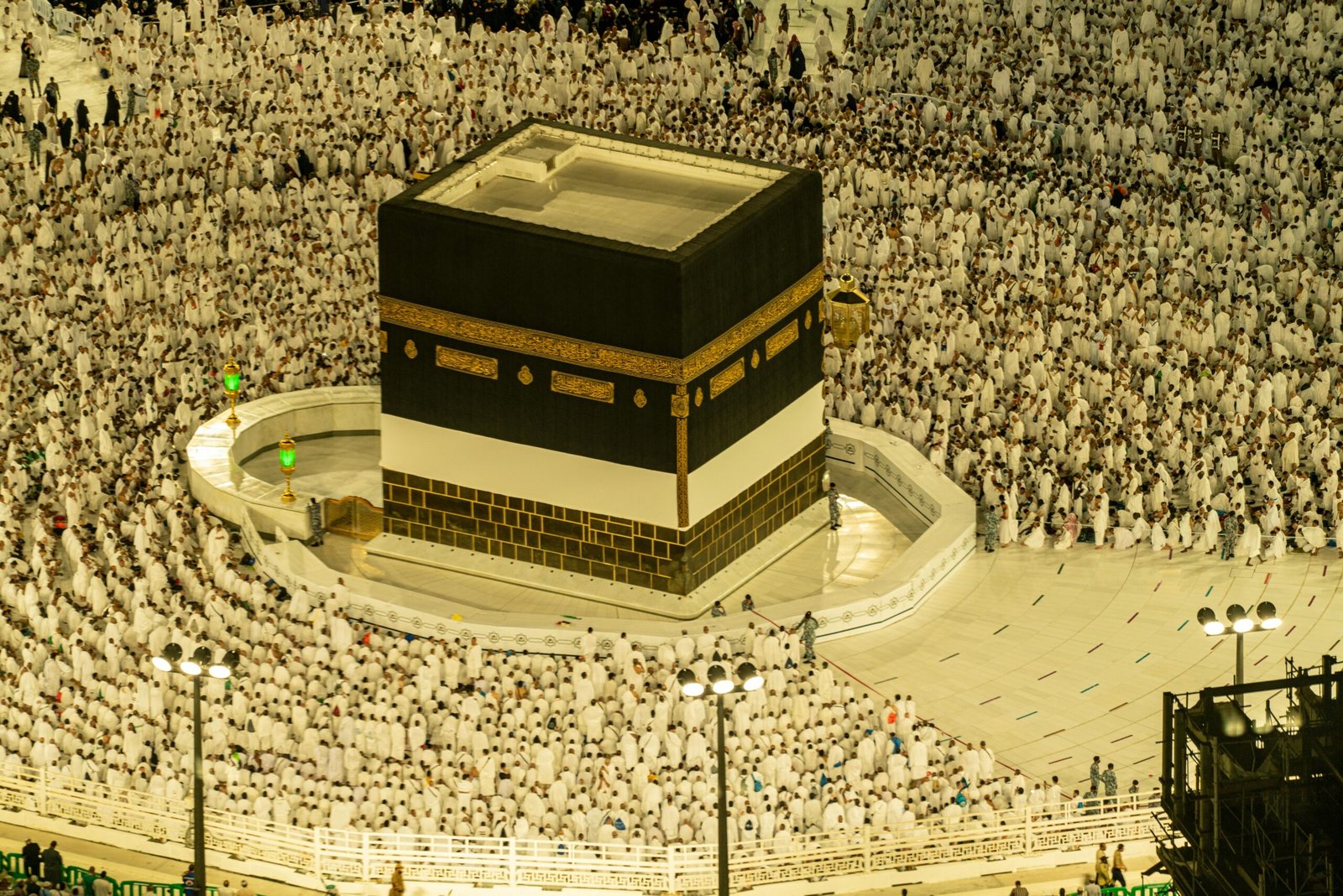
Performing Umrah is a dream for millions of Muslims around the world. While
Hajj has specific dates, Umrah can be performed at any time of the year, making it a flexible and spiritually rewarding journey. At Umrah Low Cost, we believe everyone should have the chance to fulfill this sacred act of worship without financial stress.
In this guide, we’ll share practical tips on how to plan your Umrah journey comfortably and affordably.
✈️ 1. Choose the Right Time to Travel
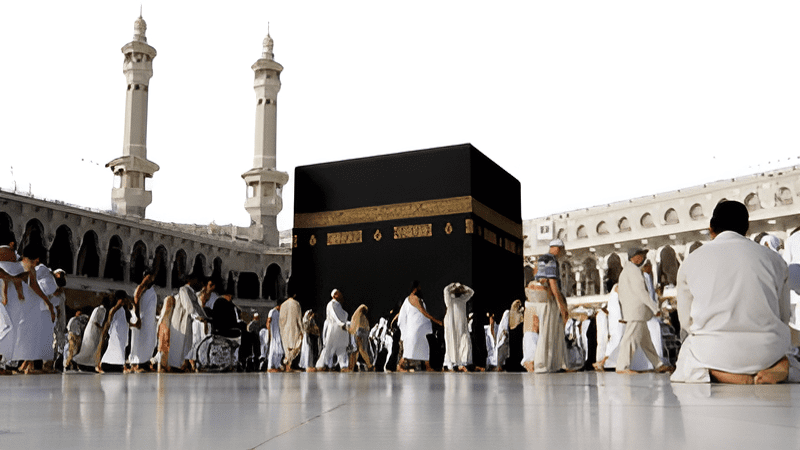
Flight and hotel prices fluctuate throughout the year. Traveling during off-peak seasons (outside of Ramadan and school holidays) can save you a significant amount of money. The months after Hajj or before Ramadan often offer the best deals.
Traveling during off-peak seasons – outside of Ramadan, school holidays, and long weekends – can save you a significant amount of money. During these times, airlines and hotels lower their prices to attract travelers, making it easier to find affordable packages. The months immediately after Hajj and just before Ramadan are often considered the best value periods because demand is much lower.
🕌 2. Select Affordable Accommodation Near Haramain
Staying very close to Masjid al-Haram in Makkah or Masjid an-Nabawi in Madinah is convenient, but it usually comes with a high price tag. Hotels located right next to the Haramain often charge premium rates, especially during peak seasons such as Ramadan or school holidays.
If you’re comfortable walking a little or using the reliable shuttle bus services, you can save up to 40% by booking hotels slightly further away.
At Umrah Low Cost, we carefully select and partner with trusted hotels to ensure you have a clean, safe, and affordable stay without compromising on comfort. Whether you prefer budget-friendly options or mid-range hotels, we make sure every traveler finds something suitable. By choosing wisely, you can balance both cost savings and convenience.
A volatile image is one that exists only for a short period of time. This may be a reflection of an object by a mirror, a projection of a camera obscura, or a scene displayed on a cathode ray tube. A fixed image, also called a hard copy.